
63 Guitar pedals
Identity and Becoming

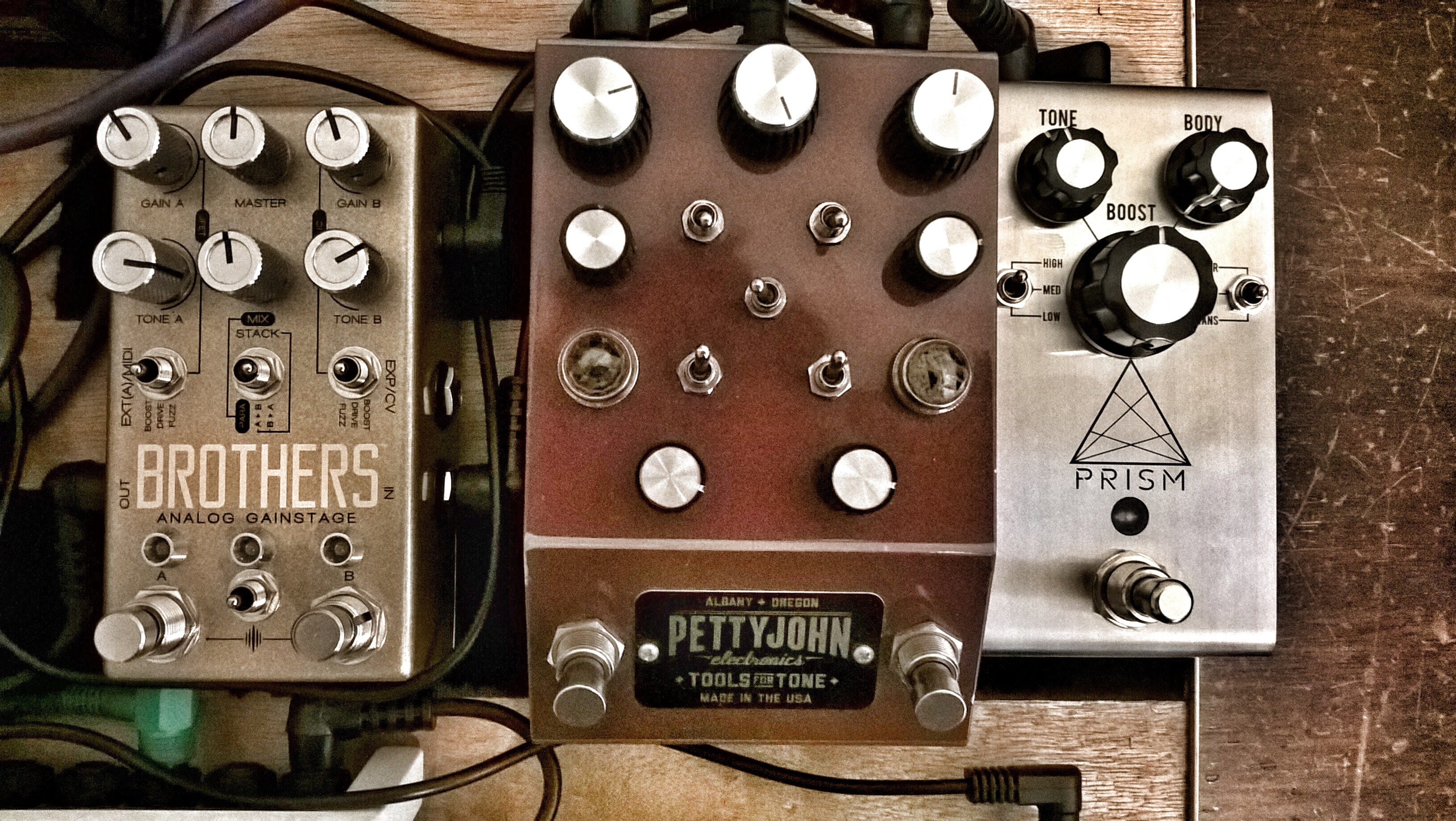
I was going through old documents on my iPad, deleting stuff I didn’t need. I came across one where I listed out all the guitar pedals I bought and tried.
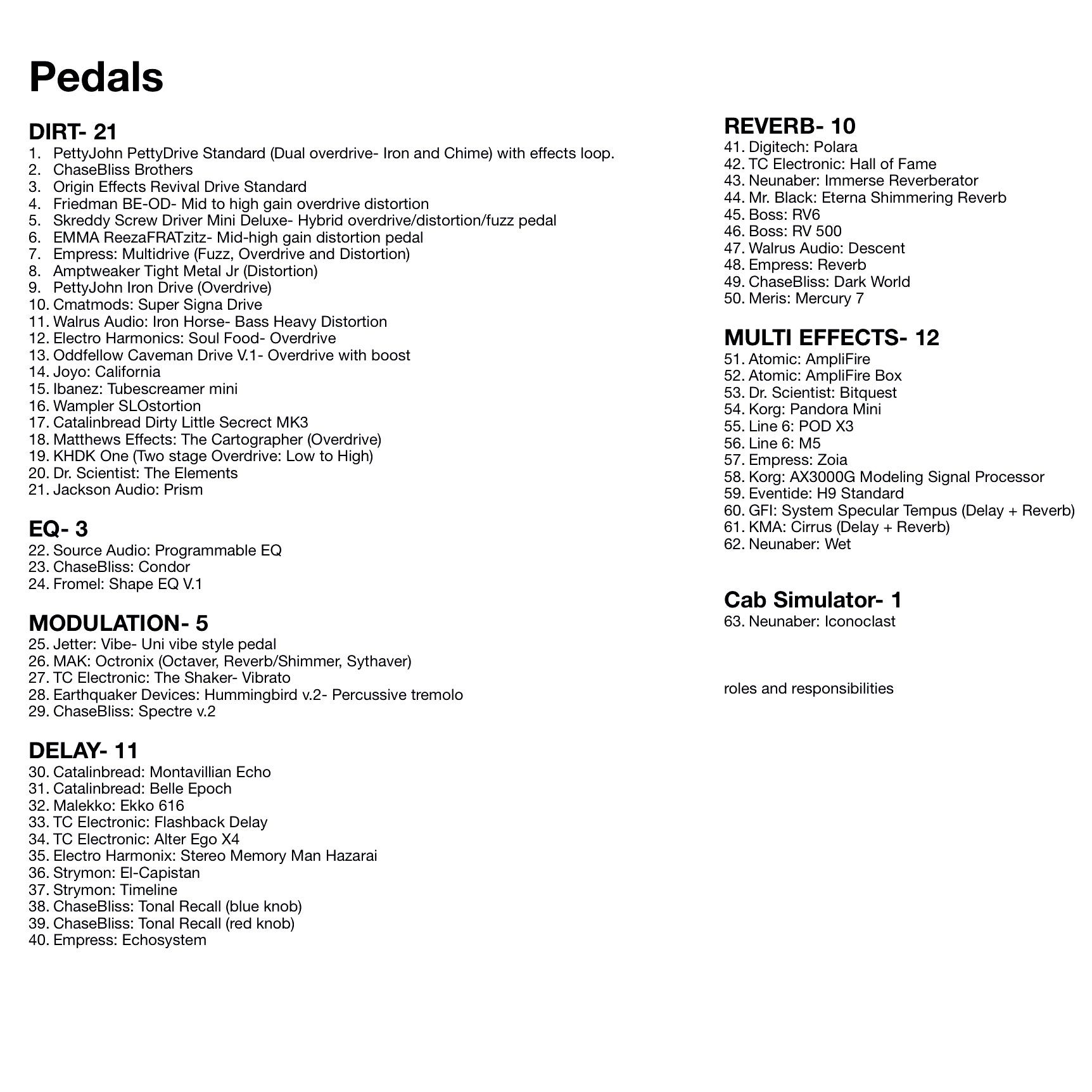
63 guitar pedals! That was a crazy period.
The Wardrobe into Narnia: What I Learned from Trying 63 Guitar Pedals
My journey into guitar pedals wasn’t planned. It was like stumbling through a wardrobe into Narnia.
Two church guitarists opened that door for me.
Before then, I was content with my PRS Tremonti SE and whatever amp the church provided. Crank up a mild overdrive, and I was set, mostly strumming acoustics while leading worship.
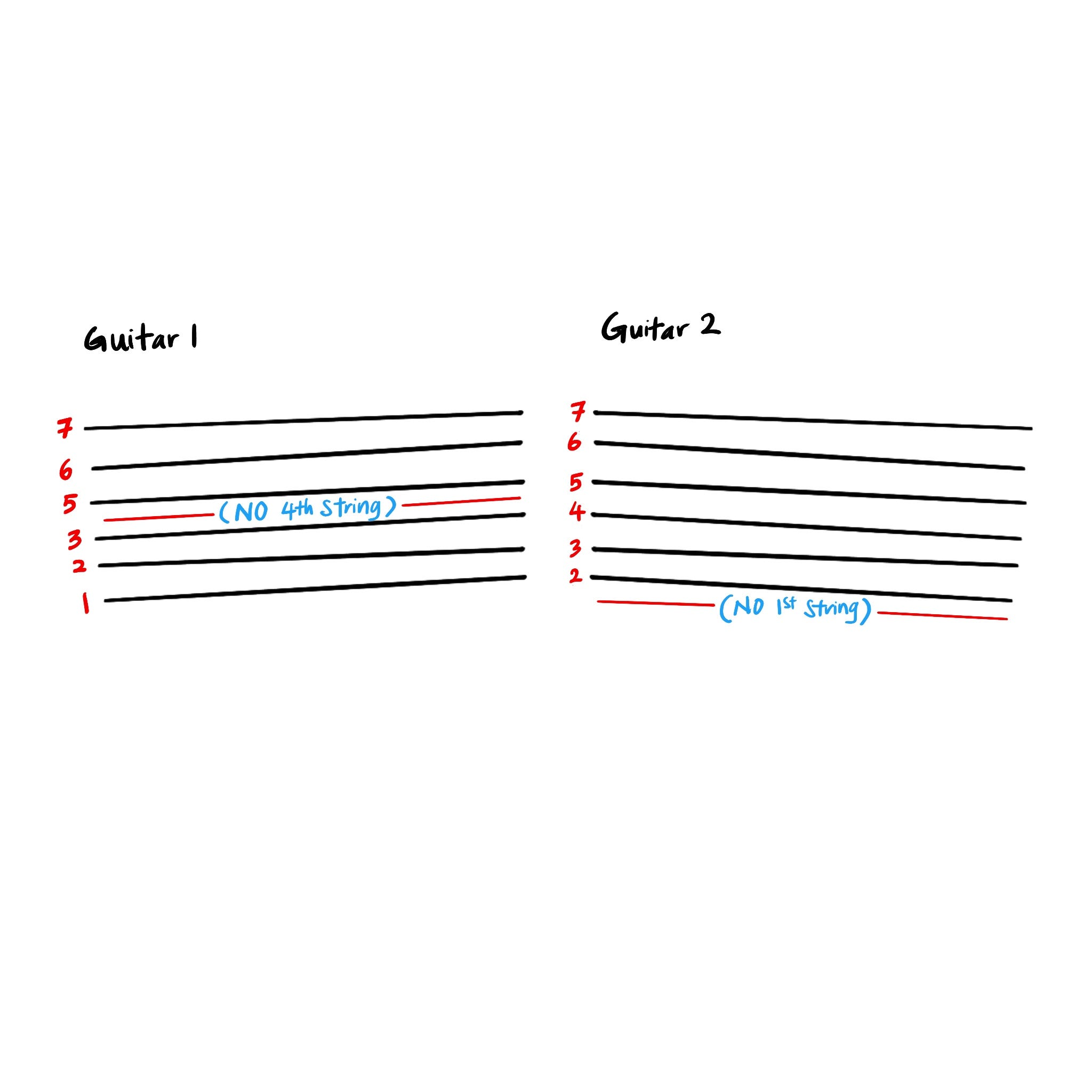
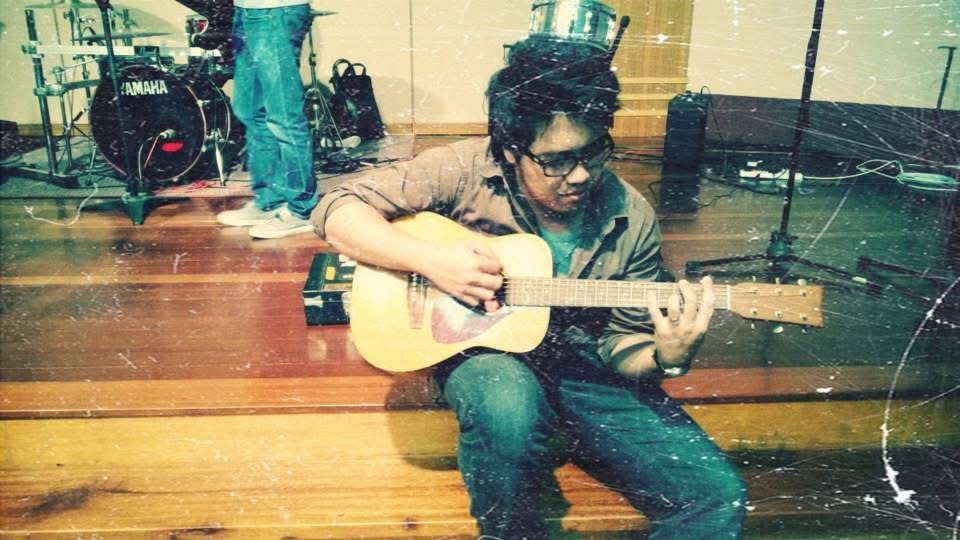
Back in my band days, we covered Korn tunes on 6-string guitars, despite them being written for 7-strings. Me and my cousin, who was the other guitarist, ran with the idea from Guitar World magazine on how to execute this on 6-string guitars. My role was Guitar 1 and he was Guitar 2. See the picture below:
With minimal pedals (distortion) and raw energy, we banged away on stage, stomach cramps and all, focusing on performance over gear.
We thrived on limitations, proving you don’t need fancy tools to match the vibe.
But once my friends introduced pedals, I was hooked. The sonic mayhem, the atmospheric textures, it was endless possibility.
Suddenly, my heart sang, “I ain’t got no (sound) satisfaction.”
Pedals became the wardrobe to tone’s Narnia.
Nonconformity and the Initial Strategy
I studied their boards: Strymon Timeline (delay) and BigSky (reverb) were staples on pedalboards in the worship guitar scene.
But I didn’t want to blend in. My rebellion kicked in.
I craved my signature sound, doing things my way, on my terms.
The plan:
Learn from them,
Join Jamtank (a Facebook group for gear trades),
Research pedal reviews on YouTube.
Buy, Trade, Try, discover my voice.
That was the plan. Simple, right?
Flaw incoming.
The Drift: Gear Acquisition Syndrome (GAS)
In the quest for tone, GAS strikes hard. Gear Acquisition Syndrome, where “just one more” becomes an addiction. It’s the belief that new gear unlocks your unique voice. Exploration is vital, but chasing endlessly turns it futile. Gear is part of tone, not the whole.
I fell deep. Swapping pedals at warp speed, never settling. My board was sonic gold one day, on Jamtank the next. I let the chase dictate my search, forgetting the goal: my unique tone. Addiction to novelty overshadowed everything. Less playing, more searching.
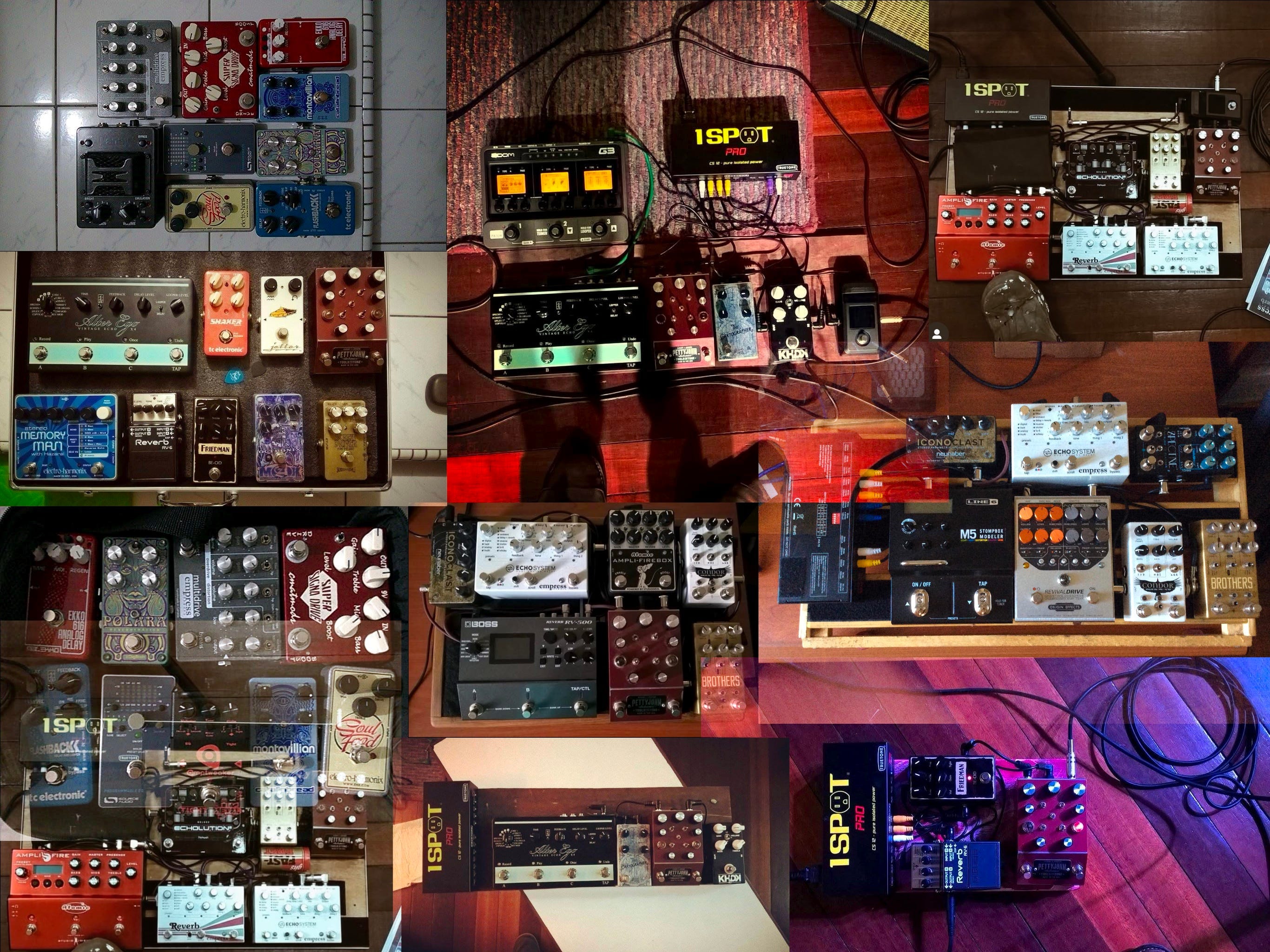
Looking back at the 63 I tried from overdrives like the PettyJohn PettyDrive and Chase Bliss Brothers, to delays like the Catalinbread Montavillian Echo, reverbs like the Neunaber Immerse, and multi-effects like the Empress Zoia— it was exciting and also overwhelming.
I bought without planning, like ignoring power supply needs. If you’re building big, get a robust brick upfront. It determines your canvas.
What I Learned: Knowing Your Identity Makes the Search Meaningful
The real gold from the 63? Self-discovery. Mistakes in GAS taught me: If you know who you are, finding what you need is easier. You’re not swayed by trends or validation.
Decisions stick. Wrong ones become lessons, right ones affirm you. Exploration has purpose, boundaries, focus.
Without identity, searches drag you down rabbit holes. It’s not about hoarding data (or pedals); it’s knowing what to do with it.
Understanding Myself as a Guitar Player
If I’d profiled myself first, exploration would’ve been sharper, not daily underwear swapping. I’m a rhythm guy: percussive strumming, basic chords, from my acoustic roots. In church, I’m mostly worship leading. Singing takes priority, so lead lines are rare and require 3 a.m. practice, which I deprioritize.
This insight narrows pedals.
No need for wild leads. Gear won’t magically make me a lead guitarist. It should just amplify who I am. Hoping pedals would “extract something new” was my big mistake but then mistakes lead to something I discovered about me.
It revealed my love for atmospheric soundscapes in personal projects. I found myself gravitating to pedals that have tons of knobs because I will keep on tweaking. I was also interested in pedals that has character which is why I just love Chase Bliss pedals.
Identity in the Mix: Role and Preferences
Know your band role. I’m rhythm/support, more an acoustic guitar player, fitting the big picture without dominating. And know what you like: Tones that jive, or they mess with your flow. Unfamiliar gear? Same issue.
I thrive in experimentation personally—immersed in scapes from pedals like the Empress Zoia or anything by Chase Bliss. But band time is tight; we nail sets not jam.
Personal vs. practical became clear.
My exploration taught me that, with the band I’m minimalist. When I’m alone and have time on my hands I’m an explorer, experimenting with soundscapes and un-guitar-like sounds.
The Best of Both Worlds: Learning from Mistakes
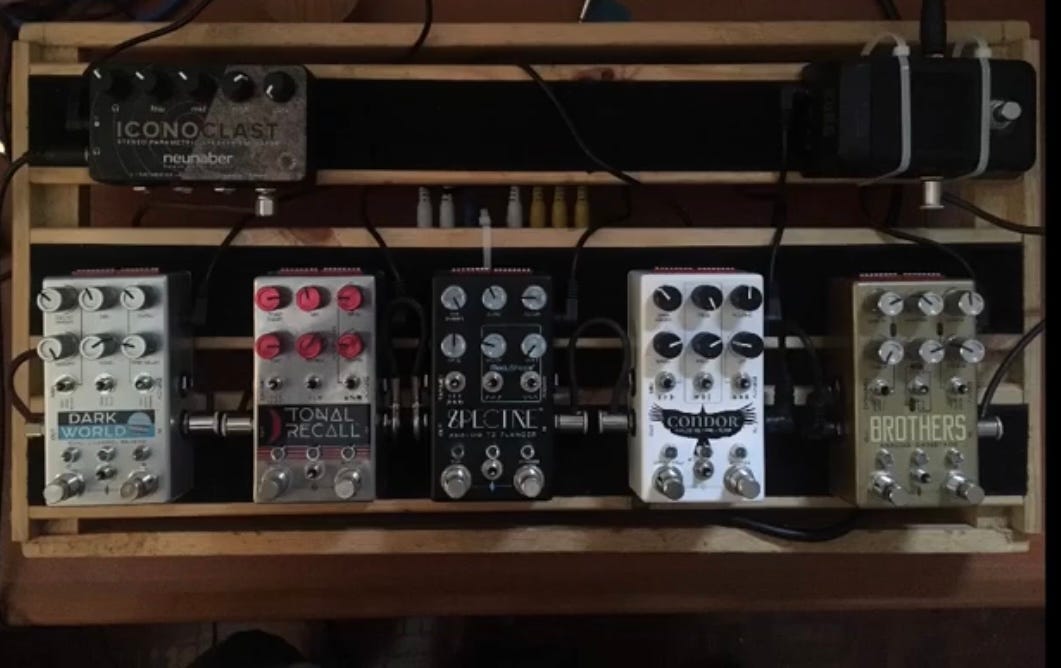
The pandemic killed my laptop, forcing sacrifices. I sold most—goodbye ChaseBliss board (Brothers, Condor, Spectre, Tonal Recall, Dark World; all discontinued now, 😣). Left with the Empress Zoia (experimentation/practicality balance) and Neunaber Iconoclast (ampless setup).
Mistakes yielded insights: I’m experimental but need boundaries. If I was starting over, I’d buy:
Chase Bliss Brothers (versatile drive)
Pigtronix Echolution (delay twist)
Catalinbread Belle Epoch Deluxe (tape echo vibe)
Add those three with my Zoia and Iconoclast, they will cover band needs and personal itch, without the trappings of GAS.
Although my tone project was a failure: it did not create me into a lead guitarist as I anticipated. But the experiment taught me a lot about myself.
Ultimately, knowing my identity helps me explore and experiment with a purpose.